Unveiling the Beauty and Significance of Cultured Mica Schist


Introduction
Mica schist is a metamorphic rock that is characterized by its prominent foliation, which is a result of the alignment of its mineral grains. This rock type is widely distributed around the world and is known for its unique appearance and various applications. In recent years, a specific type of mica schist known as cultured mica schist has been gaining attention for its beauty, versatility, and cultural significance. This article aims to delve deep into the world of cultured mica schist, exploring its formation process, characteristics, uses, and importance in various industries and cultures.
Formation of Cultured Mica Schist
Cultured mica schist is a type of mica schist that has been subjected to specific treatments to enhance its appearance and properties. The term "cultured" in this context refers to the intentional alteration or enhancement of the rock through various processes. The formation of cultured mica schist involves several stages, starting with the selection of high-quality mica schist rocks with desirable mineral compositions and textures.
Once the suitable mica schist rocks are identified, they undergo a series of treatments that may include heating, pressure application, chemical reactions, and polishing. These processes are aimed at accentuating the natural beauty of the mica schist, increasing its durability, and improving its overall aesthetic appeal. stepping stones for sale is a refined and cultured version of mica schist that exhibits enhanced colors, patterns, and textures.
Characteristics of Cultured Mica Schist
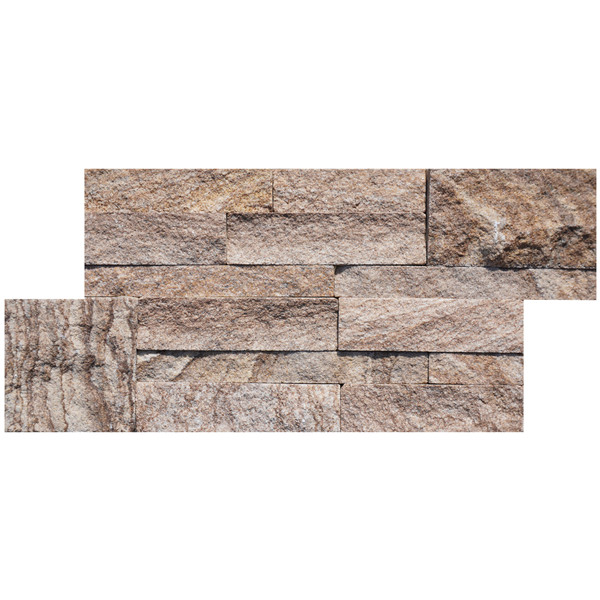
Cultured mica schist displays a range of unique characteristics that set it apart from traditional mica schist and other types of rocks. One of the most distinctive features of cultured mica schist is its vibrant colors, which can vary from subtle earth tones to striking hues of blue, green, red, and gold. These colors are often intensified through the treatment processes used to create cultured mica schist, giving the rock a mesmerizing and eye-catching appearance.
In addition to its colors, cultured mica schist also exhibits intricate patterns and textures that result from the alignment of its mineral grains during the formation process. The foliation in cultured mica schist is often more pronounced and visually appealing than in natural mica schist, creating a sense of depth and dimensionality in the rock. Furthermore, the polished surface of cultured mica schist enhances its luster and sheen, making it a popular choice for decorative and ornamental purposes.
Uses of Cultured Mica Schist
Cultured mica schist has a wide range of uses across various industries and applications due to its unique characteristics and aesthetic appeal. One of the primary uses of cultured mica schist is in the construction and architecture sectors, where it is utilized as a decorative stone for countertops, flooring, wall cladding, and other interior and exterior surfaces. The vibrant colors and patterns of cultured mica schist add a touch of elegance and sophistication to any space, making it a preferred choice for high-end residential and commercial projects.
Another common use of cultured mica schist is in the production of jewelry and ornamental objects. The lustrous surface of cultured mica schist makes it an ideal material for crafting pendants, earrings, bracelets, and other accessories that showcase the natural beauty of the rock. Jewelry designers and artisans often incorporate cultured mica schist into their creations to add a touch of uniqueness and luxury to their pieces.
Cultured mica schist is also utilized in the manufacturing of artistic and cultural artifacts, such as sculptures, figurines, and pottery. The rich colors and textures of cultured mica schist make it a versatile medium for artists and craftsmen to express their creativity and create visually striking pieces of art. In addition, the durability and longevity of cultured mica schist ensure that these artifacts retain their beauty and integrity over time, making them valuable collectibles and cultural treasures.
Importance of Cultured Mica Schist in Culture and Tradition
Beyond its practical uses, cultured mica schist holds significant cultural and traditional importance in many societies around the world. In some cultures, mica schist is believed to possess spiritual and healing properties, and it is used in rituals and ceremonies to ward off negative energies and promote well-being. The vibrant colors and patterns of cultured mica schist are often associated with symbolism and folklore, representing themes of prosperity, harmony, and protection.
In certain traditions, cultured mica schist is considered a symbol of luxury and prestige, reserved for special occasions and ceremonies. The beauty and rarity of cultured mica schist make it a coveted material for creating ceremonial objects, gifts, and heirlooms that carry deep cultural significance and historical value. Whether used in religious ceremonies, weddings, or cultural celebrations, cultured mica schist plays a vital role in preserving and honoring tradition.
Moreover, the craftsmanship and artistry involved in the creation of cultured mica schist artifacts contribute to the preservation of traditional techniques and skills passed down through generations. Artisans and craftsmen who work with cultured mica schist often draw inspiration from ancient practices and cultural heritage, infusing their creations with a sense of history and authenticity. By incorporating cultured mica schist into their art forms, these artisans help keep cultural traditions alive and relevant in the modern world.
Conclusion
Cultured mica schist is a fascinating and versatile rock that combines natural beauty with human ingenuity to create stunning works of art and functional objects. Through a careful process of formation and treatment, cultured mica schist emerges as a refined and sophisticated material that captivates the senses and enriches the environment in which it is used. From architectural masterpieces to intricate jewelry pieces, cultured mica schist finds its place in a myriad of applications, showcasing its aesthetic appeal and cultural significance.
As we continue to appreciate the allure of cultured mica schist, we are reminded of the timeless connection between nature, art, and culture. The enduring beauty and symbolism of this unique rock serve as a reminder of the richness and diversity of the world around us, inviting us to explore, create, and celebrate the wonders of the earth.
In conclusion, cultured mica schist stands as a testament to the harmonious relationship between human creativity and the natural world, offering a glimpse into the boundless possibilities of artistic expression and cultural heritage. Whether admired for its visual splendor, cherished for its symbolic meanings, or treasured for its historical significance, cultured mica schist continues to inspire and captivate individuals across generations, making it a truly remarkable and enduring material in the tapestry of human civilization.